
![What is AI Fashion Photography? [Complete Guide 2026]](https://cdn.prod.website-files.com/67f61debd086e8a2bdb7d9db/697c1c69f95f4e6d1eeefe6b_Guide%20to%20Ai%20Photography%202026.png)
What is AI Fashion Photography?
Quick Answer
AI fashion photography creates professional fashion photos without hiring photographers, models, or booking studios. Instead of a traditional photoshoot, artificial intelligence generates realistic images of your products being worn by virtual models in any location you choose.
Here's why fashion brands are switching: traditional fashion photography costs $10,000-15,000 per campaign shoot and takes 2-4 weeks from booking to getting your images. AI photography delivers similar campaign shoots starting at $1,500 and e-commerce shoots at $50-75 per product. You get professional quality in 2-3 days instead of weeks.
Real impact: Fashion brands using AI photography typically save $50,000-200,000 per year on their photography budget. They also photograph way more products because it's so much more affordable. Systems like GENLOOK Studio make this accessible to brands of all sizes, from small independent labels to established fashion houses.
What is AI Fashion Photography?
AI fashion photography is a technology that uses artificial intelligence to create fashion images without traditional photoshoots. The AI generates virtual models, applies your clothing products to these models, and places them in any setting you choose—from studio backgrounds to exotic beach locations to urban street scenes.
Think of it like this: instead of hiring a model, photographer, makeup artist, and renting a studio for a day, you send your product images to an AI system. The AI creates a realistic photo of a model wearing your product, styled exactly how you want it, in whatever location matches your brand aesthetic.
The technology works through machine learning models that have been trained on millions of fashion photographs. These AI systems understand how fabric drapes, how light hits different materials, how bodies move, and how clothing should fit on different body types. The result is photorealistic images that look like they came from a professional photoshoot.
What makes AI fashion photography different from traditional methods is the speed, cost, and flexibility. You can change the model, background, lighting, or styling with a few clicks instead of booking an entirely new shoot. You can create diverse representation across different body types, ethnicities, and ages without the logistics of casting multiple models. And you can produce hundreds of product images in the time it would take to complete one traditional shoot.
How Does AI Fashion Photography Work?
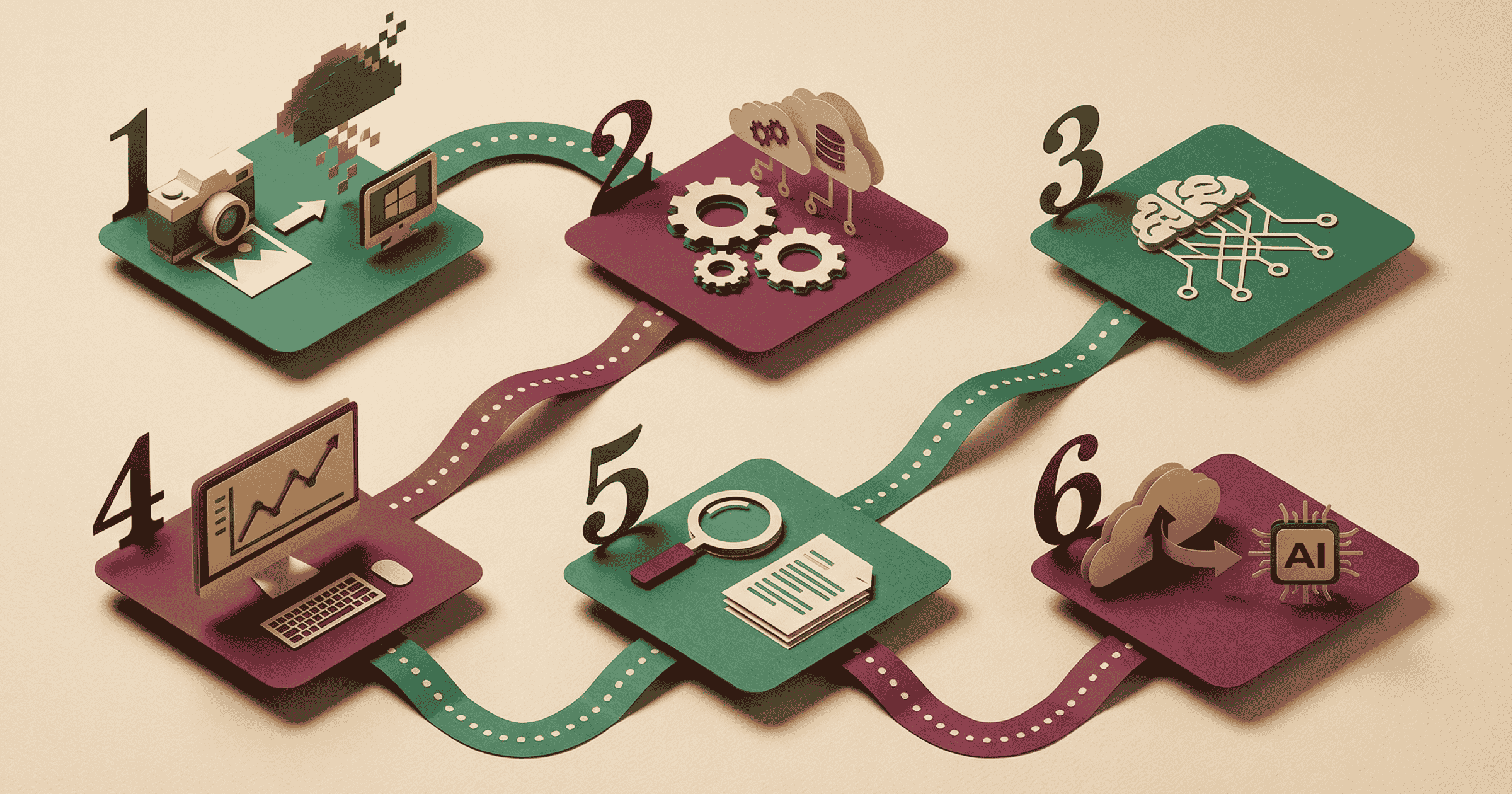
The process of creating AI fashion photography happens in six clear steps. Here's exactly what happens from the moment you decide to create AI-generated images to receiving your final photos.
Step 1: Input Preparation
You start by providing images of your products. These can be flat lay photographs (product laid flat on a surface), ghost mannequin shots (product on an invisible mannequin), or even 3D product files if you have them. The better quality your input images, the better your final AI photos will be. Most brands take simple product photos with their smartphone or basic camera against a plain white background.
You also provide guidelines about how you want the final images to look: what type of model, what kind of background, what mood or aesthetic you're going for, and any specific brand requirements like color accuracy or styling preferences.
Step 2: AI Model Generation
The AI system creates a virtual model based on your specifications. You choose characteristics like body type, height, ethnicity, age, hair style, and even facial features. The AI generates a photorealistic model that doesn't exist in real life but looks completely natural in photographs.
This is one of the biggest advantages over traditional photography: you can create diverse model representation without the casting challenges. Need the same product on five different body types? The AI generates all five models instantly.
Step 3: Garment Application
This is where the magic happens. The AI applies your product to the virtual model, ensuring proper fit, realistic fabric draping, and accurate representation of textures. The system understands how different fabrics behave—how cotton wrinkles, how silk flows, how denim holds its shape.
The AI adjusts the garment to fit the model naturally, creating realistic folds, shadows, and movement. It accounts for how the fabric would interact with the body underneath, producing images where the clothing looks genuinely worn rather than pasted on.
Step 4: Scene Composition
The AI places your model in the setting you've chosen. This could be a simple studio background, an outdoor location, an urban street scene, or even exotic destinations like beaches or mountain landscapes. The system handles lighting to match the environment, adds appropriate shadows, and ensures the model fits naturally into the scene.
For campaign shoots through systems like GENLOOK Studio, this might mean placing your model on a beach in Bali, in a Parisian café, or against architectural backgrounds—all without leaving your office.
Step 5: Quality Control & Refinement
The AI optimizes the image for color accuracy, lighting consistency, and overall polish. Most systems allow for revisions at this stage. If the fabric color isn't quite right, the pose doesn't match your brand, or you want to adjust the background, you can request changes without starting from scratch.
Professional AI systems include quality checks to ensure fabric textures look realistic, proportions are accurate, and the final image meets commercial photography standards.
Step 6: Output Delivery
You receive high-resolution images in whatever format you need—typically JPG or PNG files ready for your website, marketing materials, or social media. For e-commerce, you might get multiple angles of the same product: front view, back view, side view, and detail shots. For campaign photography, you get fully styled images ready for advertising.
The entire process from briefing to delivery typically takes 48-72 hours, compared to 2-4 weeks for traditional photography.
AI Fashion Photography vs Traditional Photography
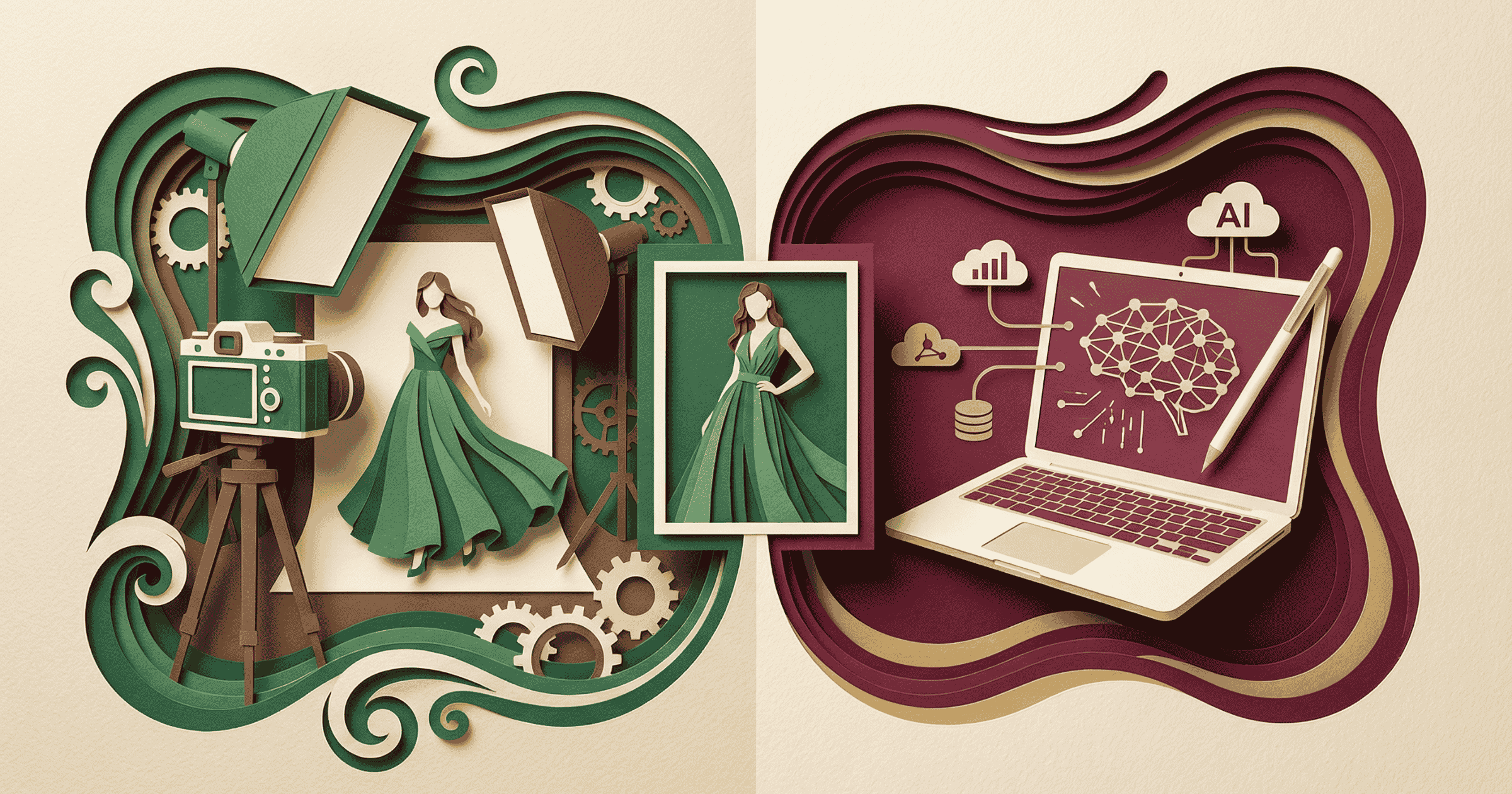
Here's an honest comparison of how AI and traditional photography stack up across the factors that matter most to fashion brands:
FactorTraditional PhotographyAI PhotographyCost per campaign$10,000-15,000Starting at $1,500Cost per product (e-commerce)$200-500 per SKU$50-75 per SKUTurnaround time2-4 weeks2-3 daysModel diversityLimited by castingUnlimited optionsLocation optionsLimited by budget/travelAny location, no travelRevision flexibilityExpensive, requires reshootIncluded, fast changesUpfront investmentHigh (booking, deposits)Low (pay per shoot)Best forEditorial, high-fashion campaignsE-commerce, catalog, digitalQuality levelExcellentExcellent for most applicationsScalabilityDifficult, expensiveEasy, affordable
The reality is that both have their place. Traditional photography still wins for certain editorial applications, complex fabric work like heavily sequined pieces, and when you need that human creative direction on set. AI photography wins for speed, cost, product volume, and representation diversity.
Many brands now use a hybrid approach: traditional photography for their major seasonal campaigns and lookbooks, AI photography for their e-commerce catalog and ongoing product launches.
AI Fashion Photography in Action: Real Example
Let's look at how this plays out in practice for a real fashion brand scenario.
A sustainable menswear brand based in London was spending approximately $120,000 annually on product photography. They were launching 8 collections per year, with 30-40 products per collection. Their traditional approach meant:
- Booking photographers and studios 6-8 weeks in advance
- Casting models and coordinating schedules
- Shooting 10-15 products per day maximum
- Waiting 1-2 weeks for edited images
- Limited budget meant they could only photograph key pieces, not their full catalog
They switched to AI photography for their e-commerce catalog while keeping traditional shoots for their seasonal campaign imagery. Here's what changed:
Photography Process:
- They photographed their full catalog of 240 products annually
- Each product shown on 3 different body types for better representation
- Delivered in 4-5 days per collection instead of 3-4 weeks
- Could make quick revisions when products were updated
Financial Impact:
- E-commerce photography cost dropped to $18,000 annually (240 SKUs × $75)
- Total savings: $102,000 per year
- Reinvested savings into better product development and marketing
Business Results:
- Conversion rate increased 28% due to better product representation
- Return rate decreased 15% because customers could see products on diverse body types
- Time-to-market improved by 3 weeks per collection
- Could respond to trends faster with quick product photo turnaround
This is typical of what brands experience when they implement AI photography strategically. The savings aren't just financial,the speed advantage means they can move faster than competitors and test new products without massive upfront photography costs.
Benefits of AI Fashion Photography
1. Dramatic Cost Reduction
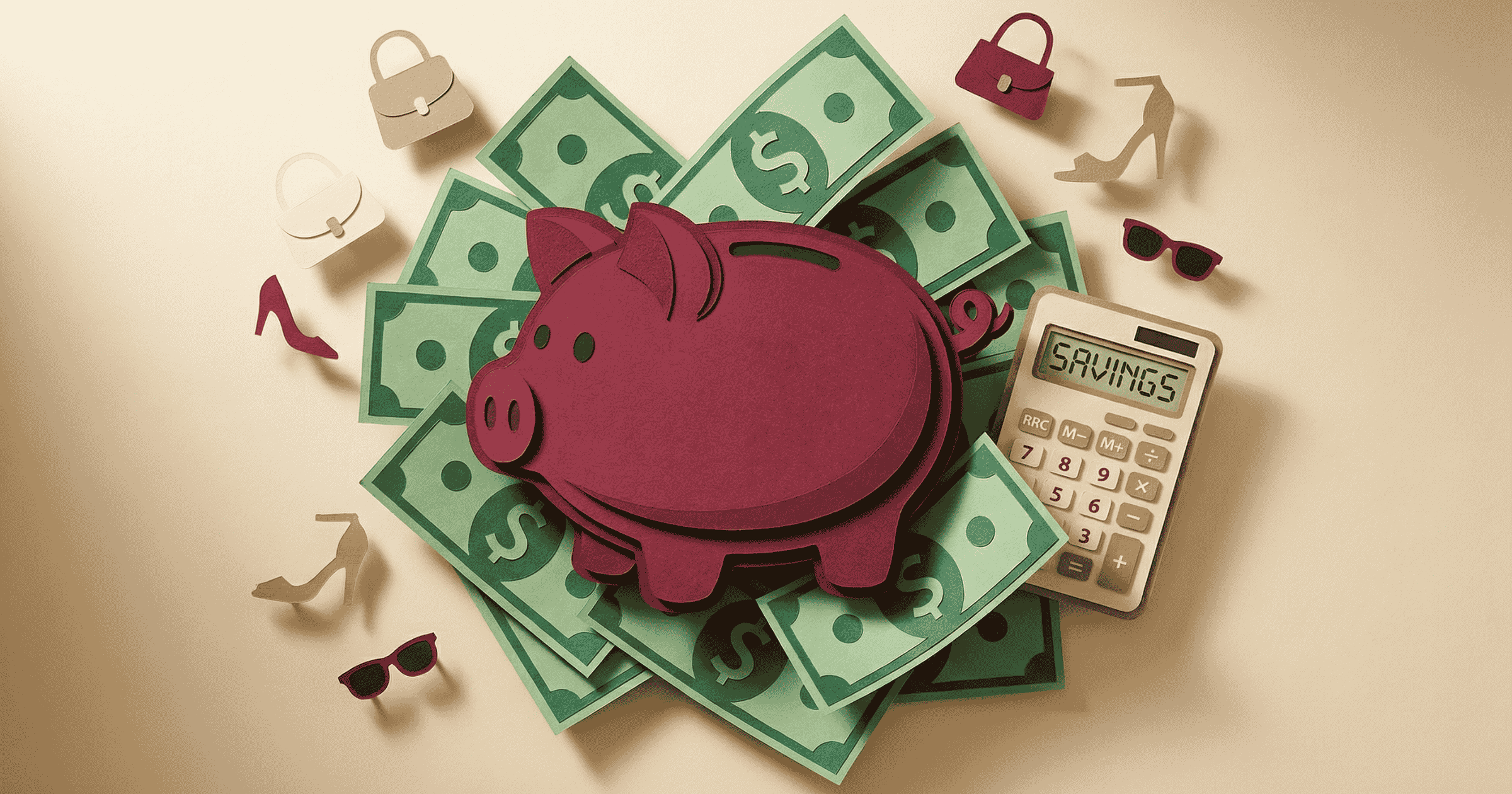
The math is straightforward: if you're photographing 100 products annually, traditional photography costs $20,000-50,000. AI photography costs $5,000-7,500 for the same catalog. That's 70-85% savings that go straight back into your business.
For smaller brands, this means photography becomes accessible. You're no longer choosing between photographing 10 hero products or 50 products in your catalog. You can photograph everything, giving every product equal visibility.
2. Speed That Changes Your Business
Getting photos in 2-3 days instead of 2-4 weeks fundamentally changes how you operate. You can launch products the same week you receive samples. You can respond to trending styles before the trend passes. You can test new product ideas without committing to expensive photoshoots before you know if the product will sell.
Fashion moves fast. AI photography lets you move with it instead of being stuck in production timelines that made sense 10 years ago but feel painfully slow today.
3. Representation That Reflects Your Customers
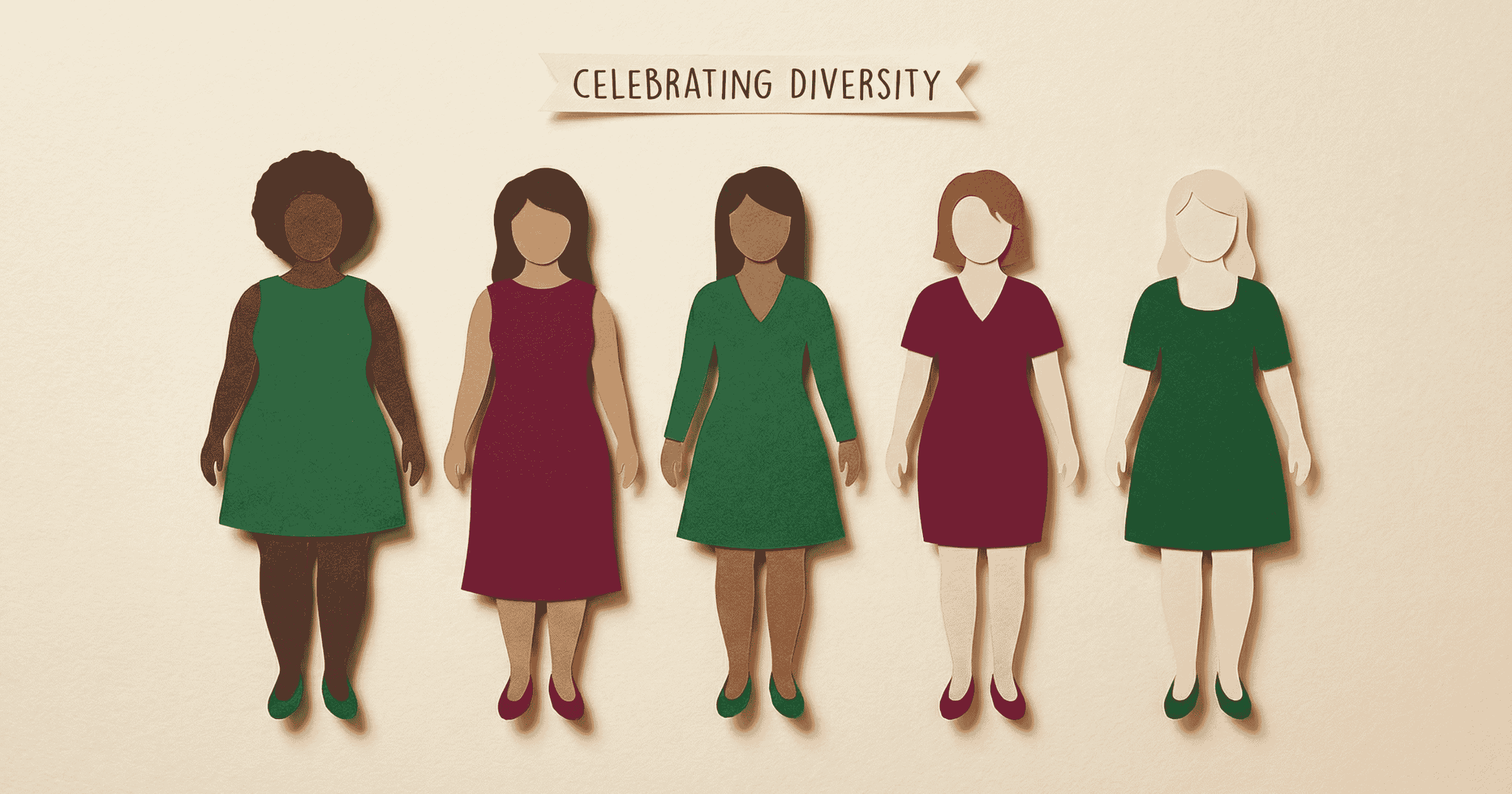
Traditional photography requires you to choose models, which means limited representation unless you have a massive budget. AI photography removes that constraint entirely.
You can show the same dress on five different body types, ten different ethnicities, different age ranges—whatever reflects your actual customer base. This isn't just ethically right; it's commercially smart. Customers convert better when they can see products on models who look like them.
4. Unlimited Creative Flexibility
Want to see that jacket against an urban background? Done. Actually, maybe a beach scene would work better? Changed in minutes. Traditional photography locks you into decisions made weeks ago. AI photography gives you creative flexibility throughout the process.
This is especially valuable when you're building a brand and still figuring out your aesthetic. You can experiment with different styles, backgrounds, and moods without the cost penalty of reshoots.
5. Scale Without Scaling Costs
In traditional photography, photographing 50 products costs roughly 50 times what photographing one product costs. AI photography costs scale much more favorably. The per-unit cost decreases as volume increases, and the time investment stays manageable.
This means you can photograph your entire catalog, not just bestsellers. You can create multiple seasonal refreshes. You can A/B test different imagery to optimize conversion.
6. Consistency Across Your Brand
When you shoot with different photographers, in different studios, over different seasons, consistency becomes challenging. AI photography maintains consistent lighting, consistent quality, and consistent brand aesthetic across every image.
This creates a cohesive brand experience that looks professional and intentional. Your product pages don't look like a patchwork of different photoshoots—they look like a carefully curated collection.
Current Limitations & Considerations
AI fashion photography has come incredibly far, but it's important to understand where it excels and where traditional photography still has advantages.
Complex Fabrics: Heavily sequined materials, extremely sheer fabrics with complex layering, and highly reflective metallic materials can still be challenging. AI handles cotton, knits, denim, silk, and wool beautifully—which covers 90% of fashion products. But if your entire collection is avant-garde pieces with unconventional materials, traditional photography might serve you better.
Editorial vs E-commerce: AI photography is exceptional for e-commerce product images where the goal is clear product representation. For high-fashion editorial work where creative direction, spontaneous moments, and artistic interpretation matter, traditional photography often produces more compelling results. Many brands use AI for product catalog and traditional for editorial campaigns.
Quality Variation Between Systems: Not all AI photography systems produce the same quality. Some early platforms produced obviously artificial images. Modern systems like GENLOOK Studio deliver photorealistic results, but you should evaluate quality before committing. Request sample images using your actual products.
Learning Curve for Briefs: Getting great results requires learning how to brief the AI effectively. You need to be specific about what you want—vague instructions produce mediocre results. This isn't really a limitation; it's just a skill to develop. Most brands get excellent results after their first 2-3 shoots once they understand how to communicate their vision clearly.
When Traditional Is Still Better: If you need behind-the-scenes content, if creative direction happens spontaneously on set, if you're shooting celebrity collaborations or influencer partnerships, if you're creating brand storytelling content beyond product shots—traditional photography often makes more sense. AI is a tool in your toolkit, not a replacement for every photographic need.
The smart approach is understanding what each method does best and using both strategically.
AI Fashion Photography Pricing: What to Expect
Understanding the investment in AI fashion photography helps you budget appropriately and compare options effectively. Pricing varies based on what you're creating and which system you're using.
Campaign Shoots: $1,500-5,000
Campaign shoots deliver 10-15 fully styled images in exotic or distinctive locations with complete art direction. At GENLOOK Studio, campaign shoots start at $1,500 and include:
- 10-15 high-resolution images
- Virtual models placed in premium locations (beaches, urban settings, architectural backgrounds)
- Full styling and art direction
- Professional lighting and composition
- Standard revision rounds included
- 48-72 hour delivery
This compares to $10,000-15,000 for equivalent traditional campaign photography, which includes photographer fees, model casting and fees, location costs, travel if shooting in exotic locations, styling and art direction, and post-production editing.
E-commerce Product Photography: $50-75 per SKU
E-commerce shoots deliver 4-5 images per product showing different angles and backgrounds if needed. This typically includes:
- Front, back, side, and detail views
- Clean backgrounds or lifestyle settings as needed
- Consistent lighting and color accuracy
- Product shown on appropriate model type
- Fast turnaround for catalog builds
Traditional e-commerce photography runs $200-500 per SKU when you factor in all costs: studio rental ($500-1,500 per day), photographer ($1,000-3,000 per day), model ($500-2,000 per day), styling and equipment, and post-production. You might shoot 10-20 products per day, bringing per-unit costs to $200-500 depending on efficiency.
Break-Even Calculation
For most brands, you break even after photographing 15-25 products:
- Traditional: 20 products × $300 average = $6,000
- AI: 20 products × $75 = $1,500
- Savings: $4,500 on first batch
After break-even, every additional product photographed saves $225-425 per SKU. Brands photographing 100+ products annually save $50,000-100,000 compared to traditional methods.
Hidden Costs to Watch For
Most AI photography systems are transparent about pricing, but clarify these points before starting:
- Setup fees: Some systems charge one-time brand guideline setup ($300-1,000). GENLOOK Studio includes this in your first shoot.
- Revision limits: Unlimited revisions sound great but may come with slow turnaround. Standard is 2-3 revision rounds included with 24-48 hour revision turnaround.
- Rush fees: Need images faster than standard 48-72 hours? Some systems charge 25-50% premium for rush delivery.
- Complex requests: Extremely specific styling, unusual compositions, or complex fabric rendering may incur additional costs.
- Licensing: Confirm you own the images and can use them across all channels without restrictions.
ROI Timeline
Most fashion brands see return on investment within 30-60 days:
- Month 1: Initial photography of 30-50 core products
- Month 2: Full catalog photography completed, old images replaced
- Month 3: Conversion rate improvements from better imagery begin showing in sales data
- Month 4-12: Ongoing savings accumulate as new products are photographed at AI pricing
The brands that maximize ROI use AI photography for speed advantages, not just cost savings. They launch products faster, test more styles, and respond to trends in real-time—advantages that compound over traditional cost reduction.
Frequently Asked Questions
Can AI fashion photography replace traditional photography entirely?
Not entirely, but it can replace 70-80% of what most fashion brands shoot. AI photography excels at e-commerce product images, catalog photography, and standard campaign shots where the goal is clear product representation. It delivers professional quality faster and cheaper than traditional methods for these applications.
Traditional photography still wins for high-fashion editorial work, behind-the-scenes content, influencer and celebrity collaborations, and brand storytelling that requires spontaneous creative direction. The best approach is using AI for your product catalog and traditional photography for your hero campaigns and editorial content.
Many successful brands now operate hybrid: AI handles their ongoing product launches and e-commerce needs, while they invest in traditional photography for seasonal campaigns and brand-building content. This gives them both speed and savings where AI excels, plus the creative depth where traditional photography shines.
Is AI-generated photography quality good enough for luxury brands?
Yes, modern AI systems produce photorealistic images that meet commercial photography standards, including for luxury applications. The quality depends heavily on which system you use and how well you brief the shoot.
Systems like GENLOOK Studio that specialize in fashion deliver images indistinguishable from traditional photography for product shots. The AI accurately renders fabric textures, maintains proper proportions, handles lighting realistically, and produces high-resolution images suitable for large-format use.
Where luxury brands need to be thoughtful is in editorial and campaign photography where brand prestige matters. A luxury brand might use AI for their e-commerce catalog (showing products clearly for online shopping) while using traditional photography for their print campaigns and editorial storytelling. This protects brand positioning while gaining operational efficiency.
How long does AI fashion photography take from start to finish?
Standard turnaround is 48-72 hours from briefing to receiving final images. Here's the typical timeline:
Day 0 (Briefing): You provide product images and creative brief specifying model type, background, styling preferences.
Day 1-2 (Generation): AI system creates initial images. For campaign shoots, this includes virtual model creation, garment application, scene composition, and initial quality control.
Day 2-3 (Review & Revision): You review images and request any changes. Most systems include 2-3 revision rounds in the base price.
Day 3 (Delivery): Final high-resolution images delivered in your required format.
Rush services can deliver in 24 hours for urgent launches, usually with a premium fee. Large catalog shoots of 50+ products might extend to 5-7 days simply due to volume, but you're still receiving images at 10-20x the speed of traditional photography.
The speed advantage isn't just about faster delivery—it fundamentally changes how you operate. You can photograph products the same week you receive samples. You can launch new items without waiting weeks for photography. You can respond to trending styles before trends pass.
What do I need to provide to get started with AI fashion photography?
The basic requirements are straightforward. You need clean product images as your starting point—these can be flat lay photos, ghost mannequin shots, or even 3D product renders if you have them. Take these with your smartphone against a plain background or use your existing product photos.
You also need to provide creative direction: what type of model you want (body type, ethnicity, age), what background or setting, what mood or aesthetic you're targeting, and any specific brand requirements like color accuracy standards.
Most systems request 2-3 reference images showing the style you like. These help the AI understand your aesthetic preferences. If you're working with GENLOOK Studio or similar specialized systems, they'll guide you through this briefing process with clear templates.
That's it. You don't need professional photography equipment, studio access, or styling expertise. The AI handles the technical complexity. Your job is clearly communicating what you want the final images to look like.
Can AI photography handle all fabric types and materials?
AI handles most fabrics excellently but some materials remain challenging. The technology works beautifully with cotton, knits, denim, wool, silk, leather, and linen—which covers the majority of fashion products in the market.
Materials that can be tricky include heavily sequined or beaded fabrics with complex light reflection, extremely sheer or transparent fabrics with precise layering, fabrics with large-scale holographic or iridescent effects, and unconventional materials like metal mesh or 3D-printed elements.
Even with challenging fabrics, modern AI systems achieve 90-95% accuracy. Small details might need minor retouching, but the overall image quality remains professional. Systems specializing in fashion (like GENLOOK Studio) continuously improve their fabric rendering capabilities as they train on more examples.
If your collection uses primarily standard fashion fabrics, AI photography will handle everything perfectly. If you work with avant-garde materials or highly experimental fabrics, review sample images using your specific materials before committing to large shoots.
Is AI fashion photography suitable for editorial content and lookbooks?
AI photography works well for certain editorial applications but less well for others. It excels at creating clean, composed editorial-style shots with styled looks in distinctive settings. Many brands successfully use AI for digital lookbooks, online editorial content, and social media campaigns.
Where AI still lags behind traditional editorial photography is in capturing spontaneous moments, creative collaboration between photographer and subject, dynamic movement and action shots, and the intangible creative magic that happens on set with talented humans. Fashion editorial at its best tells stories and evokes emotion through unexpected moments—this remains a human strength.
The practical approach many brands take: use AI for your seasonal lookbooks that showcase products clearly in aspirational settings, use traditional photography for your hero campaign images that define brand identity, and use AI for ongoing content creation that keeps your brand presence fresh without constant production costs.
AI editorial photography is improving rapidly. What seemed impossible two years ago is routine today. The gap between AI and traditional editorial narrows constantly.
How much does AI fashion photography actually cost?
AI fashion photography pricing varies based on what you're creating, but here are standard ranges across the industry:
E-commerce product shots: $50-75 per SKU for 4-5 angles showing different views of each product. This typically includes front, back, side views plus detail shots, on-model presentation with appropriate body type, clean or lifestyle backgrounds, and standard revisions included.
Campaign shoots: $1,500-5,000 for 10-15 styled images in distinctive locations. Campaign shoots include virtual models in premium settings, full art direction and styling, high-resolution delivery, and typically 2-3 revision rounds.
Volume discounts: Most systems offer better per-unit pricing for larger orders. Shooting 100+ SKUs might bring e-commerce pricing down to $40-60 per product.
Hidden costs to confirm: One-time brand setup fees (some charge $300-1,000), revision limits and policies, rush delivery premiums, and usage rights and licensing terms.
For context, traditional photography costs $200-500 per SKU for e-commerce and $10,000-15,000 for campaign shoots. AI photography typically delivers 70-85% cost savings while maintaining comparable quality and significantly faster delivery.
What's the best AI photography system for fashion brands?
The best system depends on your specific needs, but here's what to evaluate when choosing:
GENLOOK Studio specializes in fashion-specific AI photography with models, styling, and art direction built for fashion brands. They handle both campaign shoots (starting at $1,500 for 10-15 images) and e-commerce catalogs ($50-75 per SKU). Best for brands wanting fashion-specific expertise and consultation.
Key evaluation criteria for any system:
- Quality of sample images (request samples using your actual products)
- Fashion-specific training (general AI systems vs fashion-specialized)
- Turnaround time and rush options
- Revision policy and included changes
- Pricing transparency and volume options
- Customer support and creative consultation
Don't choose based on price alone. The difference between mediocre AI photography and excellent AI photography is dramatic. Review portfolios carefully, request test shots with your products, and talk to current customers if possible.
Most established systems offer trial shoots so you can evaluate quality before committing to large projects. Take advantage of these. The best system is the one that delivers the quality your brand requires at pricing that makes sense for your volume.
The Future of Fashion Photography
AI fashion photography has moved from experimental technology to essential business tool in just three years. The brands adopting it now aren't taking risks—they're gaining competitive advantages in speed, cost efficiency, and creative flexibility that traditional-only brands can't match.
The technology will continue improving. Fabric rendering will get more accurate, editorial capabilities will expand, and costs will likely decrease further as systems scale. But the fundamental value proposition is already clear: you can photograph your entire catalog at a fraction of traditional costs, launch products in days instead of weeks, and provide representation that reflects your actual customers.
For fashion brands serious about growth, the question isn't whether to use AI photography. It's how to implement it strategically to maximize competitive advantage while maintaining brand standards.
GENLOOK Studio makes AI fashion photography accessible to brands at every stage. Whether you're launching your first collection or managing an established catalog, the system delivers professional photography at $1,500 for campaign shoots and $50-75 per product for e-commerce images. No massive upfront investment, no complex technical setup—just professional fashion photography when you need it.
The brands that will thrive in the next era of fashion are the ones moving quickly, testing constantly, and using technology to compete on creativity rather than just capital. AI photography gives you that leverage.
About Fashion NUT
Fashion NUT specializes in AI-powered fashion technology through GENLOOK Studio for AI fashion photography and Prompt Commerce methodology for agentic commerce optimization. We help UK, US, European, and Asian fashion brands implement AI solutions that deliver measurable business results.
Last Updated: January 29, 2026