

ACP vs UCP for Fashion Brands: Which Agentic Commerce Protocol Should You Choose?
Most fashion brands will need both protocols by mid-2026.
Here's why: The Agentic Commerce Protocol (ACP) powers conversational shopping in ChatGPT. The Universal Commerce Protocol (UCP) enables purchases across Google's AI surfaces.
Your choice depends on where your customers discover products. And which platform you can implement fastest.
Let me break down exactly what that means.
The Protocol Decision Fashion Brands Face Right Now
AI agents aren't just recommending products anymore.
They're buying them.
ChatGPT processes over 50 million shopping queries every day as of February 2026. Google's AI Mode in Search now includes native checkout for eligible retailers.
This creates an urgent question for fashion brands: which agentic commerce protocol should you implement?
Two open standards now define how AI agents discover and buy from fashion retailers.
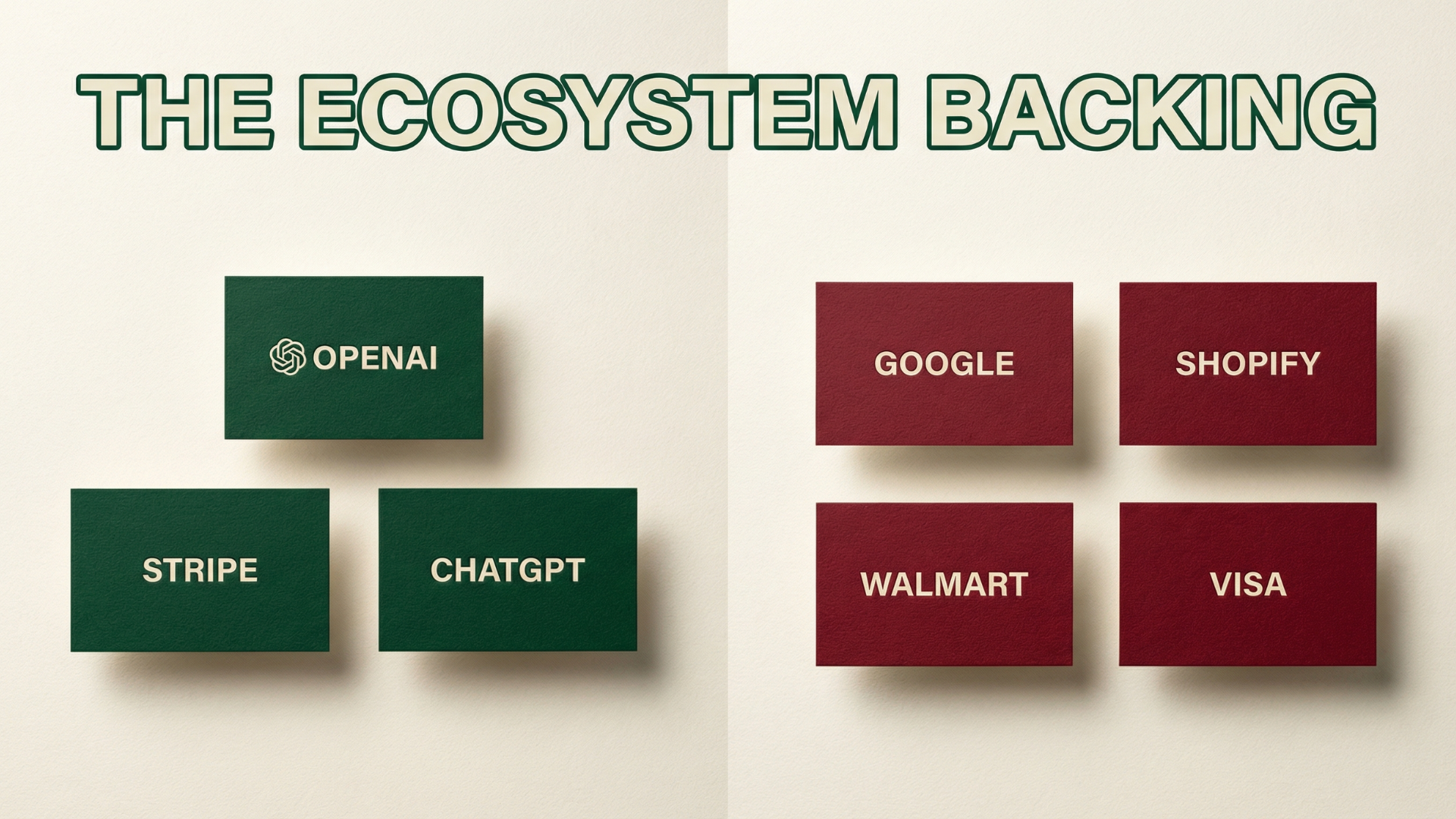
OpenAI and Stripe launched the Agentic Commerce Protocol (ACP) in September 2025. This powers Instant Checkout in ChatGPT.
Google and Shopify unveiled the Universal Commerce Protocol (UCP) in January 2026 at the National Retail Federation conference. It's backed by Walmart, Target, Etsy, and over 20 payment providers including Visa, Mastercard, and PayPal.
The numbers make this impossible to ignore.
McKinsey projects agentic commerce will hit $3 to $5 trillion globally by 2030. Bain research shows this represents between 15% and 25% of total online retail sales.
Fashion brands that delay protocol implementation risk becoming invisible to AI shoppers.
Early adopters are already onboarding. Anthropologie, Coach, Revolve, and SKIMS are testing these protocols right now.
But here's the thing: fashion retailers face unique considerations.
Visual merchandising matters. Seasonal collections complicate inventory. Size and fit data are critical. Luxury brand positioning is non-negotiable. Regional market differences create complexity.
This guide breaks down exactly how ACP and UCP differ. Which fashion categories benefit from each protocol. And how to prioritize implementation.
Let's start with what each protocol actually does.
What is the Agentic Commerce Protocol (ACP)?
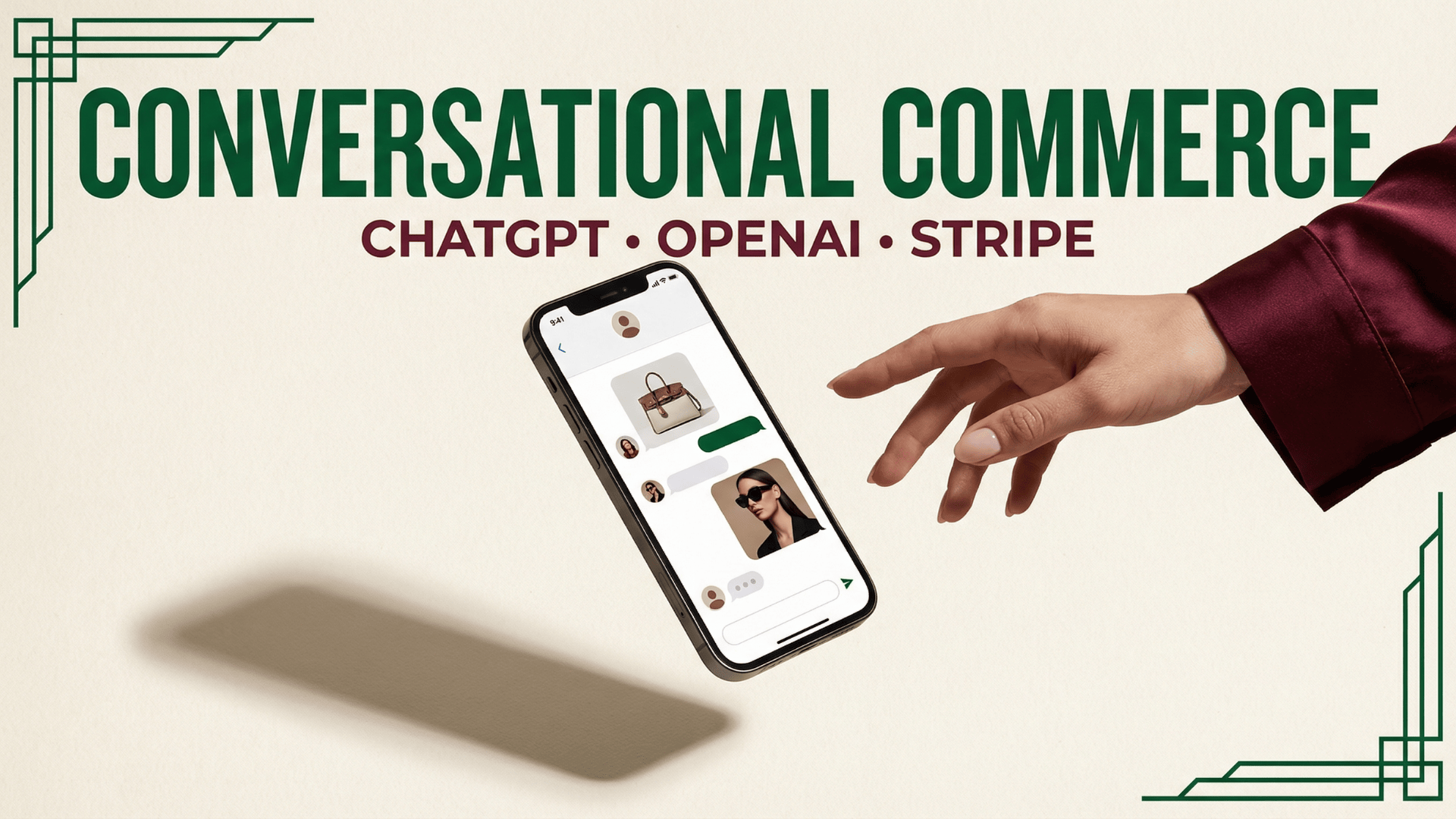
ACP is an open standard developed by OpenAI and Stripe.
It lets AI agents complete purchases within conversational interfaces like ChatGPT.
Released on September 29, 2025, ACP creates a structured conversation between shoppers, their AI agents, and fashion retailers. The goal? Execute transactions without leaving the chat environment.
Here's how it works technically.
ACP operates as a REST API specification. It's published under the Apache 2.0 license, which means it's open source.
Fashion brands implement ACP by exposing specific endpoints. These endpoints let AI agents discover products, start checkout sessions, manage shopping carts, and process payments through delegated credentials.
The important part? Merchants stay in control.
You remain the merchant of record. You keep direct customer relationships. You control pricing, presentation, and fulfillment.
Nothing about ACP changes that.
For fashion retailers, ACP excels at consultation-driven shopping.
Think about it this way.
A customer asks ChatGPT: "I need skincare for dry winter skin." Or "What's the perfect black blazer for business travel?"
The AI can guide product selection through natural conversation. Then complete the purchase immediately.
This conversational commerce model works brilliantly for certain categories. Customers need guidance. They have complex selection criteria. They benefit from personalized recommendations.
The reach is significant.
ChatGPT has 700 million weekly active users as of early 2026. Research from Salesforce shows that 48% of shoppers who already use AI for shopping are open to having an AI agent make purchases on their behalf.
The demographics skew young.
Among users aged 16 to 24, ChatGPT usage reaches 65%. Compare that to 32% for Google Gemini according to Morgan Stanley data.
Stripe's Agentic Commerce Suite simplifies ACP implementation.
If you're already using Stripe for payments, this is huge. The suite provides hosted ACP endpoints, automatic product catalog syndication to AI agents, and modular components.
Brands are already onboarding.
Etsy, Anthropologie, Free People, Urban Outfitters, Coach, Kate Spade, Revolve, and Halara have begun testing.
Let me show you a real example.
Consider a luxury lingerie brand implementing ACP.
A customer asks ChatGPT: "I need a special occasion lingerie set, black lace, size medium, luxury quality under £200."
The AI agent searches the brand's ACP-enabled catalog. It presents options with images and details. It asks clarifying questions about style preferences. Then it guides the customer through checkout.
This includes size verification and gift packaging options.
The entire experience happens within the conversation.
That maintains the intimate consultation feeling that luxury lingerie purchases require.
Bottom line: ACP turns ChatGPT into a personal shopping assistant for your brand.
What is the Universal Commerce Protocol (UCP)?

UCP is an open standard developed by Google.
They built it with Shopify, Walmart, Target, Etsy, and Wayfair.
Announced at the National Retail Federation conference on January 11, 2026, UCP establishes a common language. AI agents and commerce systems can interact without requiring custom integrations for each platform.
UCP functions as a surface-agnostic protocol.
What does that mean?
It works with multiple integration patterns. REST APIs, Model Context Protocol (MCP), and Agent2Agent (A2A) standards all work.
It plays nice with existing retail infrastructure too. The Agent Payments Protocol (AP2) for secure payment processing? Compatible.
Fashion retailers expose their commerce capabilities through standardized endpoints. Any UCP-compatible AI agent can discover products, check inventory, calculate shipping, and complete purchases.
The backing is impressive.
Google's announcement came with endorsement from over 20 ecosystem partners. Adyen, American Express, Best Buy, Flipkart, Macy's Inc, Mastercard, Stripe, The Home Depot, Visa, and Zalando all support it.
Notice something? Even Stripe backs UCP despite creating ACP with OpenAI.
That tells you something about where the industry is heading.
UCP's initial implementation powers native checkout in Google's AI Mode in Search and the Gemini app. Shoppers can purchase directly from eligible fashion retailers without leaving their research environment.
For fashion brands, UCP's strength is search-driven discovery.
Here's what that looks like.
Users research "sustainable sneakers under $150" in Google AI Mode. Or they ask Gemini "which winter coat brands ship to the UK?"
UCP enables those conversational searches to transition directly into purchases.
The protocol supports the full commerce lifecycle. Multi-item carts, loyalty program integration, order tracking, and returns management all work.
UCP's compatibility with Google Merchant Center infrastructure is a big advantage.
If you're already optimizing product feeds for Google Shopping, you're halfway there.
Millions of businesses maintain Merchant Center accounts. They can leverage that existing structured data as the foundation for UCP implementation.
Shopify merchants get an even bigger advantage.
Native UCP support through Shopify's Agentic Storefronts feature significantly reduces implementation complexity.
The protocol's extensible capability system is interesting.
Fashion brands can expose specialized commerce functions beyond basic checkout.
A beauty brand might publish capabilities for shade matching, ingredient filtering for sensitive skin, or cruelty-free certification verification.
A menswear brand could expose fit recommendations based on body measurements, fabric care instructions, or alterations services.
UCP's negotiation mechanism lets agents discover which capabilities each merchant supports. Then they proceed accordingly.
Imagine a contemporary fashion brand implementing UCP for their Spring/Summer 2026 collection launch.
A customer researches "pastel linen dresses UK size 12" in Google AI Mode.
They see the brand's new collection appear with real-time inventory. Styling suggestions from the brand's lookbook show up. Estimated delivery dates for their London postcode are right there.
With three taps using Google Pay, they complete the purchase.
This includes loyalty points redemption.
They never left the search interface.
The brand maintains control over merchandising, pricing, and the post-purchase experience. But they captured high-intent demand at the exact moment of research.
That's the power of UCP.
ACP vs UCP: The Key Differences

Understanding how these protocols differ helps you make smart implementation decisions.
Let me break down the differences across key dimensions that matter for fashion retailers.
Platform Coverage and Reach
ACP currently powers shopping within ChatGPT and other OpenAI surfaces.
That means access to ChatGPT's 700 million weekly users.
The protocol is designed to work with any AI agent platform that implements the specification. But as of February 2026, ChatGPT is the primary distribution channel.
Fashion brands implementing ACP gain access to a younger demographic. These users lean heavily toward conversational AI.
UCP launches with Google's AI Mode in Search and Gemini as the first implementations.
This provides immediate access to Google's massive search audience.
The protocol's design as a universal standard aims for compatibility across any AI surface or platform.
Google's infrastructure advantage is real. UCP can automatically expose products from existing Merchant Center feeds to AI shopping experiences.
That's millions of products going live with minimal effort.
How They Work Technically
ACP operates primarily through REST API endpoints.
Merchants expose these at standardized paths like .well-known/acp/config.json for configuration discovery.
The protocol requires session state management, product search capabilities, cart management logic, and delegated payment integration with providers like Stripe.
Implementation typically takes two to four weeks for custom builds.
Shopify merchants and existing Stripe users can integrate faster.
UCP supports multiple transport mechanisms.
REST APIs, Model Context Protocol bindings, and Agent2Agent standards all work.
Merchants publish a business profile at .well-known/ucp/business-profile.json that declares supported capabilities.
The protocol includes dynamic capability negotiation. Agents and merchants communicate what functions each supports. The system adapts accordingly.
Implementation ranges from instant activation for Shopify merchants to one or two weeks for custom REST API builds.
Payment Processing
ACP uses delegated payment processing.
AI agents handle payment credentials on behalf of users through trusted payment providers.
Stripe's Shared Payment Token serves as the first compatible implementation. Additional payment service providers are expected to join.
Merchants maintain full control as the merchant of record. You own customer data, transaction processing, and post-purchase relationships.
UCP supports multiple payment handlers through a flexible system.
Both merchants and agents declare accepted payment methods. Then they negotiate dynamically per transaction.
Compatible handlers include Google Pay, PayPal, Stripe, and other providers that publish their handler specifications.
Merchants remain the seller of record throughout. You retain the ability to customize integration to specific business needs.
Product Discovery
ACP requires merchants to provide product feeds through the Product Feed Specification.
This supplies AI agents with accurate, current product information.
The protocol assumes the agent helps users discover products through conversation. It pulls in structured product data, schema markup, and merchant feeds into the selection process.
Fashion brands must ensure their catalog is rich.
Product descriptions, accurate sizing information, material composition, and care instructions all need formatting for agent consumption.
UCP leverages existing Google Merchant Center product feeds as the foundation.
Fashion retailers already maintaining Shopping feeds can use that data structure to enable UCP commerce capabilities.
The protocol includes specific primitives for product catalog exposure, inventory checking, and availability verification. These map directly to standard retail operations.
If you're already doing Google Shopping, you're mostly ready for UCP.
Checkout Experience
ACP optimizes for conversational checkout within chat interfaces.
The shopping experience flows naturally from product discussion to purchase without context switching.
Users might ask about fabric composition, request styling advice, verify return policies, and complete checkout all within the same conversation thread.
This intimacy suits certain fashion categories.
Luxury goods, beauty products, and intimate apparel all benefit. Consultation enhances the purchase decision.
UCP designs for search-to-buy transitions.
Users research products through AI search interfaces and convert directly from that discovery moment.
The checkout experience happens within the search environment. It uses saved payment methods and shipping information.
This efficiency captures high-intent shoppers who have completed their research and are ready to purchase immediately.
What This Means for Fashion Brands
For luxury fashion brands prioritizing brand control and customer experience, both protocols work.
Both preserve merchant-of-record status and direct relationships.
The choice depends on whether your customers discover through conversational exploration or directed search.
Premium brands concerned about commodification should note that both protocols allow customization of product presentation and checkout flows.
Beauty and cosmetics brands benefit from ACP's consultation model.
Complex selections involving skin type, concerns, and ingredient preferences need conversation. The conversational format lets AI agents ask qualifying questions that traditional search cannot accommodate.
However, UCP's reach through Google Search captures intent-driven queries. Specific product names or ingredient searches work better here.
Menswear and contemporary fashion brands with large catalogs may find UCP's search-driven discovery more aligned with how customers shop.
Seasonal collection launches can be optimized for both protocols. Just ensure product feeds include collection names, seasonal tags, and launch dates that agents can reference when making recommendations.
Which Protocol Should Your Fashion Brand Choose?
Let me give you a decision framework based on customer behavior, product category, and technical capabilities.
Implement ACP First If:
Your target demographic skews younger.
There's significant overlap with ChatGPT's user base. 65% of people aged 16 to 24 engage with the platform.
Contemporary streetwear brands, sustainable fashion labels targeting Gen Z, and beauty brands with strong social media presence typically see higher returns from ACP implementation.
Your products require consultation or personalized recommendations.
Luxury lingerie, bespoke menswear, skincare and cosmetics with ingredient sensitivities, and occasion-specific fashion all benefit from conversational commerce.
The AI agent can ask clarifying questions. It provides styling advice. It ensures proper fit selection before completing the transaction.
You already use Stripe for payment processing.
The Agentic Commerce Suite makes implementation faster. Fashion brands on Stripe can enable ACP with minimal technical lift.
This makes it the logical first step even if UCP implementation follows shortly after.
You want to test agentic commerce with a defined audience before broader rollout.
ACP's focused distribution through ChatGPT lets fashion brands experiment. You can measure conversion rates and refine product data before expanding to additional platforms.
Implement UCP First If:
Your brand maintains strong Google Merchant Center optimization.
High-quality product feeds already structured for shopping mean you're halfway there.
Fashion retailers investing in Google Shopping campaigns have the foundation for UCP implementation essentially complete. This makes activation faster than building ACP from scratch.
Your customers predominantly discover fashion through search.
Established brands with strong brand search volume fit this category. Retailers selling classic wardrobe staples with clear search intent too.
Fashion categories with specific functional requirements work well. Waterproof jackets, steel toe boots, maternity wear all align with search-driven discovery.
You operate on Shopify.
You can enable UCP through Agentic Storefronts with minimal configuration.
Shopify's native support makes UCP implementation nearly instant for qualifying merchants. This provides quick wins while ACP integration proceeds in parallel.
You prioritize broad reach across Google's ecosystem.
This includes Search, Gemini, and future AI surfaces.
Fashion brands targeting maximum visibility should implement the protocol with the largest potential audience first. This matters especially if resources limit simultaneous deployment.
Implement Both Protocols If:
Your fashion brand has technical resources to support dual implementation.
You want to maximize agentic commerce reach.
Most mid-market and enterprise fashion retailers will eventually need both protocols operational. Parallel development is the most efficient long-term strategy.
Your product catalog serves multiple customer archetypes with different discovery patterns.
A beauty brand might attract consultation-seeking customers through ChatGPT for personalized skincare routines. Meanwhile, they capture direct product searches through Google for specific items by name or ingredient.
You want to test which protocol delivers better unit economics.
Running both simultaneously allows measurement. Track conversion rate, average order value, return rate, and customer lifetime value across channels.
This data informs budget allocation.
You recognize that protocol adoption represents a new distribution channel.
It requires dedicated optimization.
Fashion brands treating agentic commerce as seriously as SEO or paid social will invest in proper implementation of both standards. Then optimize each based on performance data.
Fashion Category Recommendations
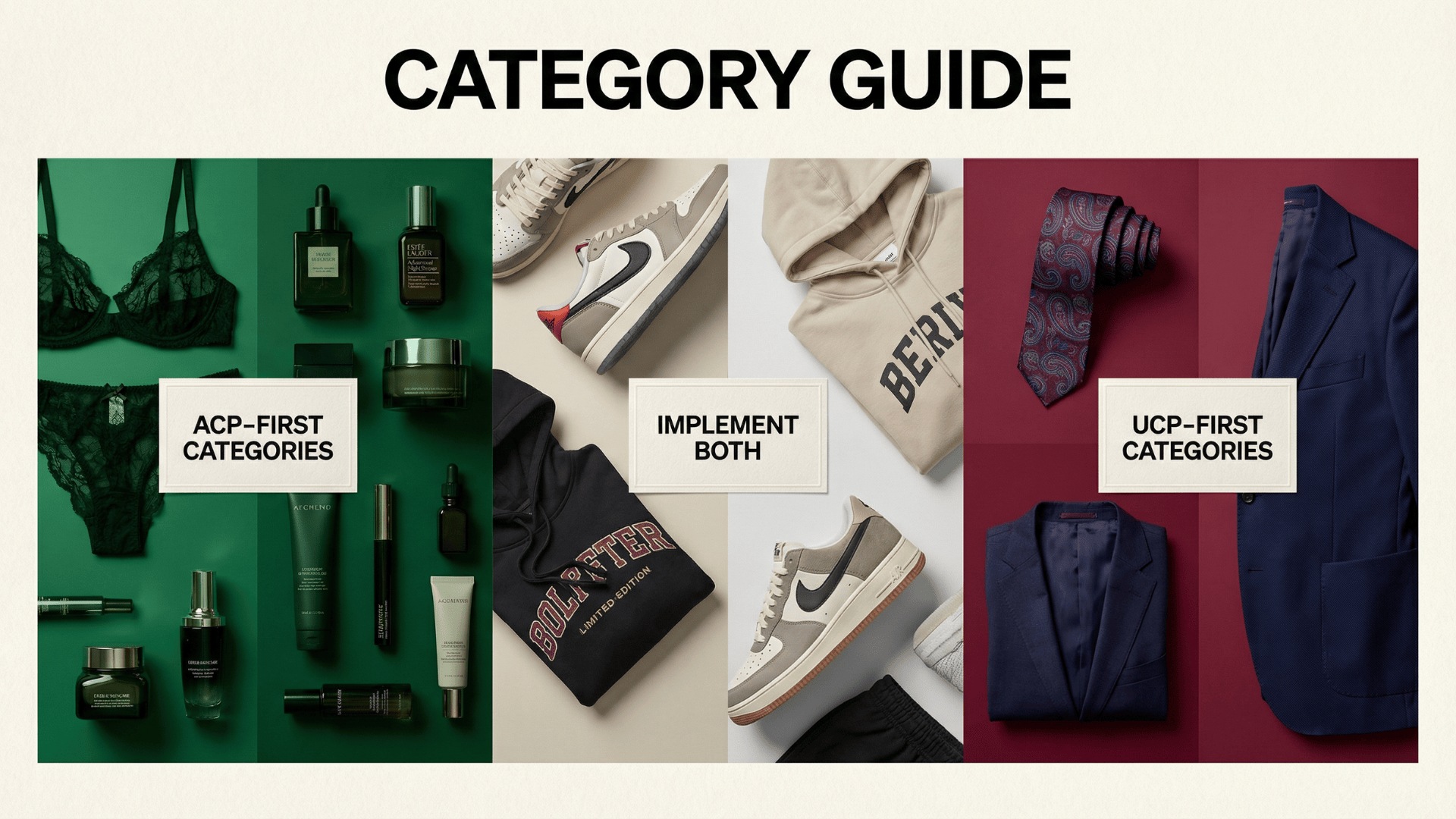
Luxury Fashion: Prioritize ACP for its consultation-friendly conversational format. This maintains the premium purchasing experience. However, luxury brands with strong heritage and brand search volume should implement UCP simultaneously to capture high-intent searchers.
Beauty and Cosmetics: ACP's question-and-answer flow works brilliantly. Product selection based on skin type, concerns, ingredients, and results needs conversation. The ability to guide customers through complex decision trees before purchase significantly reduces returns and increases satisfaction. UCP should follow to capture ingredient-specific searches and replenishment purchases.
Lingerie and Intimate Apparel: ACP is particularly well-suited. The private, consultative nature of these purchases aligns with conversational privacy. UCP provides secondary value for functional searches like specific size and style combinations.
Menswear: Extensive catalogs, clear sizing standards, and functional categorization suggest UCP first. This captures search-driven intent around specific items, occasions, or style categories. ACP adds value for personalization, outfit building, and style consultation but may generate lower volume initially.
Contemporary and Streetwear: Prioritize ACP given ChatGPT's penetration in the 16 to 24 age group. These customers engage naturally with conversational AI. They often seek trend validation and styling advice that ACP's format provides effectively.
How to Implement: Your Roadmap
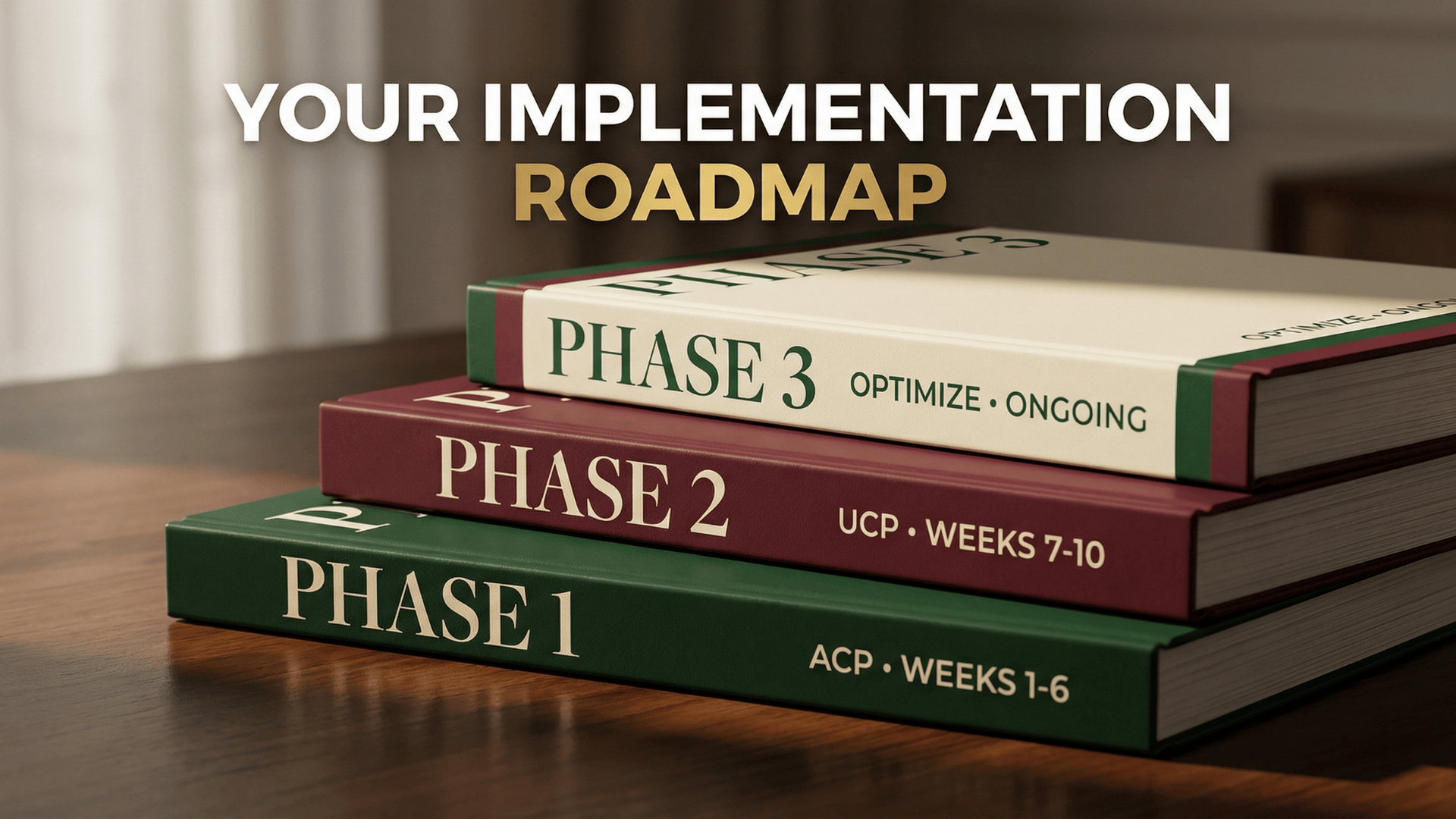
Fashion retailers should approach protocol implementation as a phased rollout.
Don't try simultaneous deployment.
Here's a realistic timeline with prerequisites for successful adoption.
Phase 1: Foundation and ACP (Weeks 1 to 6)
Start by auditing your product data quality and structure.
Both protocols require clean, comprehensive product feeds. Accurate inventory, pricing, sizing information, images, and descriptive content all matter.
Fashion brands often discover gaps during this audit.
Material composition data missing. Care instructions incomplete. Size charts inconsistent. Seasonal tagging absent.
Resolve these issues before technical implementation begins.
For Shopify merchants using Stripe, ACP enablement can happen within days.
Join Stripe's Agentic Commerce Suite waitlist if not yet activated. Configure your product catalog connection. Select ChatGPT as your target AI agent surface.
For custom implementations, allocate two to four weeks.
You need to build the required endpoints. Configuration discovery, product search, cart management, checkout session handling, and delegated payment integration all require development work.
Test your ACP implementation thoroughly before requesting OpenAI approval for ChatGPT Instant Checkout.
Query ChatGPT about products in your category. Note whether your brand appears in responses. How are products described? What information seems missing?
Compare results before and after ACP activation to measure impact.
Phase 2: UCP Implementation (Weeks 7 to 10)
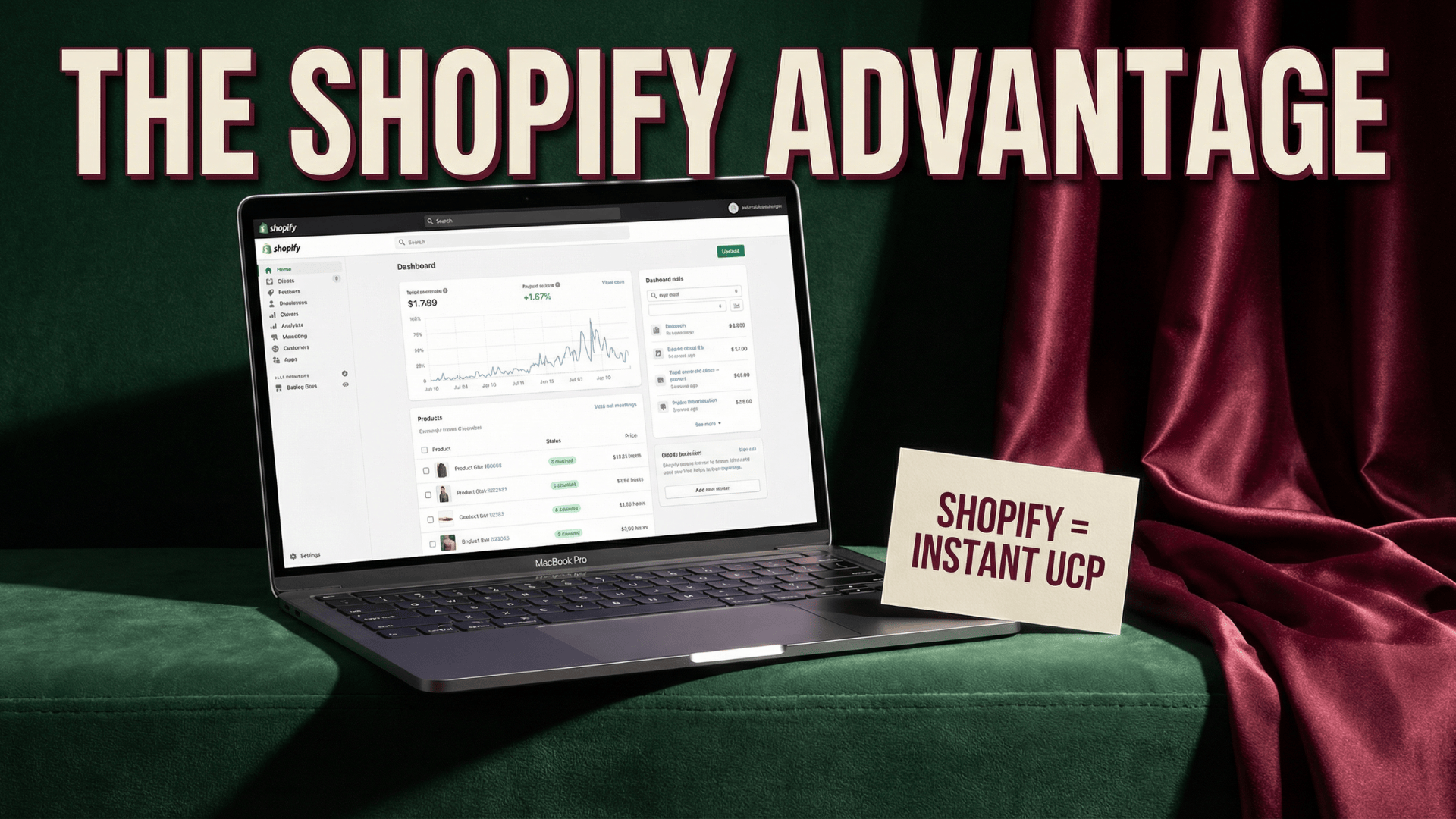
Shopify merchants should activate Agentic Storefronts to enable UCP functionality with minimal configuration.
Verify that your Shopify product data includes all required attributes for optimal agent discovery.
Seasonal collection tags, sustainability certifications, material compositions, and regional availability all matter.
For custom implementations, build your UCP business profile.
Declare supported capabilities. Expose product catalog APIs. Implement checkout endpoints. Configure capability negotiation.
Fashion brands with existing Google Merchant Center feeds should map that data structure to UCP requirements. This accelerates deployment.
Test UCP functionality by querying Google AI Mode and Gemini.
Search for products in your category. Monitor whether your brand appears in AI-generated shopping results. Verify that checkout flows complete successfully with test transactions.
Phase 3: Optimization and Measurement (Ongoing)
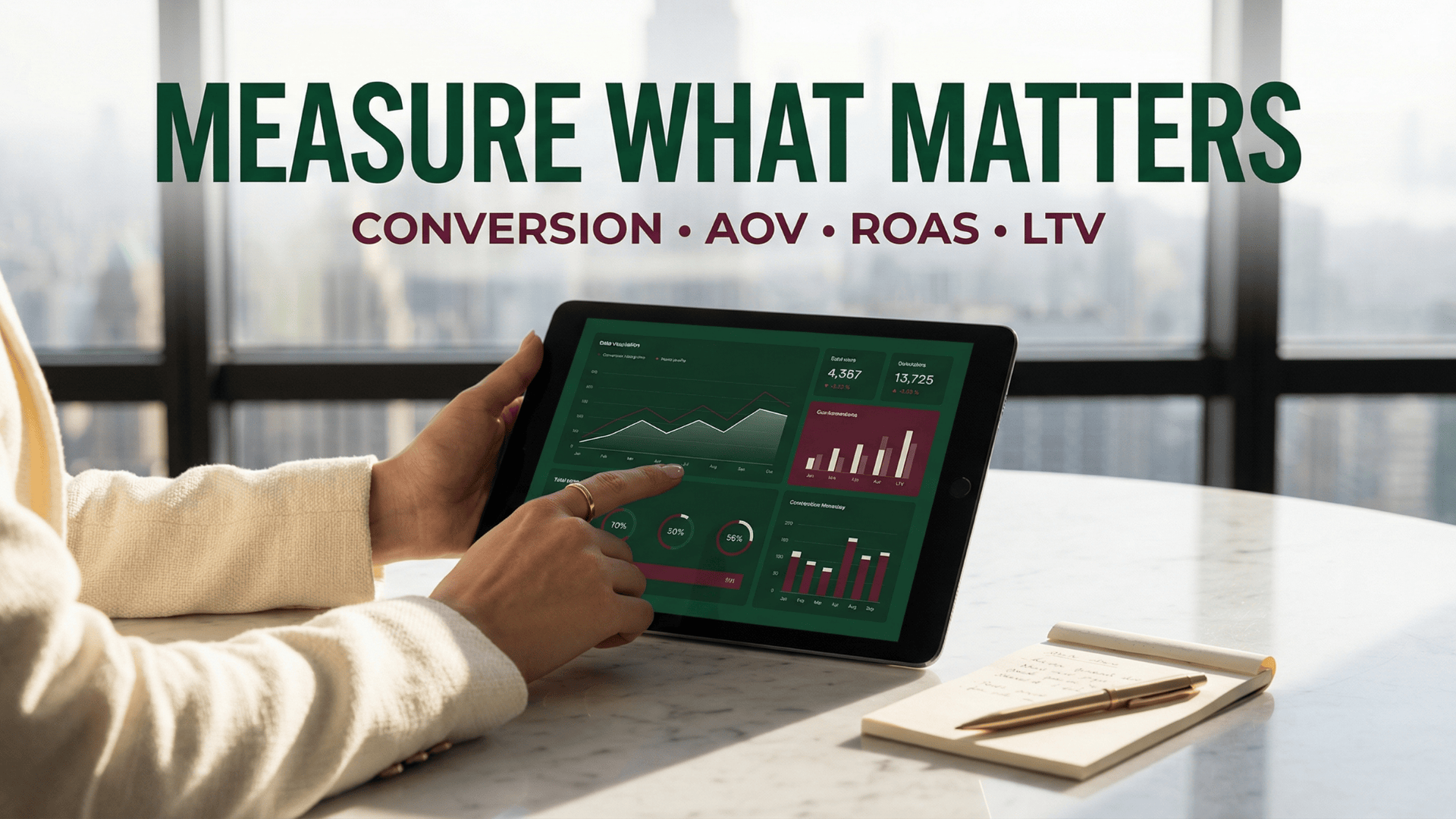
Establish dedicated tracking for AI-referred traffic as a distinct channel.
Use your analytics platform to measure conversion rate, average order value, return rate, and customer lifetime value.
Track ACP and UCP traffic separately from traditional web visits.
Fashion brands often find that agent-driven purchases show different patterns. Potentially higher conversion but also different product mix or average order values.
Monitor brand visibility across AI platforms.
Regularly query ChatGPT and Google AI Mode with category searches, competitor comparisons, and specific use cases.
Track whether your brand appears in responses. Note the context of mentions. Verify the accuracy of product information.
Update product feeds and descriptions based on which attributes agents cite most frequently.
Optimize for agent discovery by analyzing which queries successfully surface your products.
Fashion brands should test variations.
"Sustainable cotton t-shirts under $50." "Black leather boots women size 8." "Summer wedding guest dresses UK."
Understand agent behavior. Adjust product titles, descriptions, and structured data based on which formats perform best.
Calculate unit economics for each protocol.
Compare the full cost of sales including any platform fees, payment processing, and incremental customer acquisition costs against revenue and margin.
Google's UCP implementation reportedly includes a small merchant fee on completed purchases. ACP costs depend on payment processing arrangements.
Fashion brands should model these economics at different average order values to understand profitability thresholds.
Common Questions About ACP and UCP
Do I have to choose between ACP and UCP?
No.
Fashion brands can and should implement both protocols. They serve different customer discovery patterns and platform ecosystems.
ACP and UCP are not mutually exclusive.
Think of them like Google Search and Instagram. You optimize for both because customers use both.
Most fashion retailers will eventually operate both protocols. Resource constraints may require phased implementation. Start with whichever protocol aligns best with current customer behavior.
How long does implementation take?
Implementation timelines vary based on your current tech stack.
Shopify merchants using Stripe can enable ACP through the Agentic Commerce Suite within days. Join the waitlist and configure product catalog connections.
Custom ACP implementations typically require two to four weeks.
UCP activation for Shopify merchants happens nearly instantly through Agentic Storefronts.
Custom REST API implementations take one to two weeks.
The primary timeline driver is product data quality rather than technical development.
Will these protocols reduce traffic to my website?
Yes.
Agentic commerce represents a fundamental shift from website-centric shopping to transaction-anywhere commerce.
Fashion brands will likely see reduced direct website traffic. Customers complete purchases within AI interfaces instead.
However, total sales volume can increase by capturing demand that would otherwise abandon due to friction.
The key strategic question is not preserving website traffic. It's ensuring your brand remains visible and transactable wherever customers make purchase decisions.
Brands that resist protocol implementation risk becoming invisible as competitors capture agent-driven demand.
Do these protocols work internationally?
Both protocols support international commerce with appropriate configuration.
Fashion brands must ensure product feeds include regional availability, market-specific pricing in local currencies, accurate shipping options and costs by destination, and compliance with regional regulations like GDPR.
UCP's compatibility with Google Merchant Center makes international configuration familiar. If you already manage Shopping campaigns across markets, you know how this works.
ACP requires explicit declaration of supported regions and currencies in configuration files.
What happens to my customer data?
Both ACP and UCP maintain fashion brands as the merchant of record.
You preserve full ownership of customer data, transaction records, and post-purchase relationships.
AI agents facilitate the transaction but do not insert themselves as intermediaries who own the customer relationship.
Brands retain control over email communication, loyalty programs, return policies, and customer service.
This structure differs significantly from marketplace models where the platform owns customer data.
Which payment methods are supported?
ACP uses delegated payment processing.
Payment service providers like Stripe handle credential management on behalf of users.
Supported methods include credit cards, digital wallets, and buy-now-pay-later options offered through the payment provider.
UCP employs a payment handler system.
Merchants declare accepted methods. Agents declare available credentials. Both negotiate dynamically per transaction.
Compatible handlers include Google Pay, PayPal, Stripe, and regional payment providers that publish handler specifications.
Fashion brands can support multiple payment methods across both protocols.
How do I measure ROI?
Track AI-referred traffic as a dedicated channel in your analytics platform.
Measure conversion rate, average order value, return rate, customer acquisition cost, and lifetime value separately from other channels.
Compare these metrics against traditional website traffic and marketplace sales to understand relative performance.
Calculate the full cost including platform fees, payment processing, and any technology investment against incremental revenue and margin.
Fashion brands should also monitor brand visibility metrics.
Mention frequency in AI responses. Product appearance rates for category queries.
These leading indicators predict future transaction volume.
Can luxury brands maintain positioning through these protocols?
Yes.
Both protocols preserve merchant control over product presentation, pricing, checkout customization, and post-purchase experience.
Luxury fashion brands concerned about commodification should implement protocols while maintaining strict brand guidelines for product descriptions, imagery, and policies.
The conversational nature of ACP particularly suits luxury shopping experiences. Consultation and personalization reinforce premium positioning.
Brands can decline to participate in certain AI surfaces if positioning concerns outweigh distribution benefits.
Though this limits addressable demand.
Making Your Decision
The protocol choice for fashion brands ultimately depends on two things.
Where customers discover your products. And which platforms you can implement efficiently.
ChatGPT's conversational commerce through ACP serves consultation-driven categories and younger demographics.
Google's search-driven commerce through UCP captures high-intent queries and leverages existing Shopping infrastructure.
Most fashion retailers will implement both protocols by the end of 2026.
Agentic commerce is becoming standard rather than experimental.
Early adopters gain competitive advantages. Brand visibility, customer acquisition cost, and operational learning all improve while the space remains relatively uncrowded.
Brands delaying implementation risk becoming invisible. AI agents increasingly mediate fashion discovery and purchase decisions.
The technical lift for protocol implementation continues decreasing.
Platforms like Shopify build native support. Payment providers like Stripe offer integrated solutions.
Fashion brands should prioritize product data quality and structured information over complex technical builds.
Clean, comprehensive product feeds serve as the foundation for success across both protocols.
Accurate sizing, materials, care instructions, and inventory all matter.
Here's what to do right now.
Test agent perception of your brand before implementing either protocol.
Query ChatGPT and Google AI Mode with category searches relevant to your products.
Note whether your brand appears. How is it described? What information is present or missing?
This baseline measurement allows comparison after protocol activation. It identifies product data gaps to resolve during implementation.
The Implementation Reality
Here's the truth about implementing ACP and UCP.
The protocols are open source. The documentation exists. Shopify and Stripe have built tools to make it easier.
But most fashion brands still struggle with three critical gaps.
First: Product data isn't agent-ready. Your catalog might look great on your website. But AI agents need structured information they can parse. Material composition, care instructions, fit data, seasonal tags. Most brands discover their product feeds have massive holes.
Second: You don't know which protocol matches your customer behavior. Are your customers discovering through conversation or search? Which categories benefit from ACP's consultation model versus UCP's search efficiency? Without data, you're guessing.
Third: Nobody on your team has done this before. Your developers understand e-commerce. But agentic commerce optimization? That's new territory. You need expertise that doesn't exist in-house yet.
This is exactly what Fashion NUT's Prompt Commerce methodology solves.
What Prompt Commerce Does
Prompt Commerce is our proprietary framework for optimizing fashion brands for AI agent discovery and transactions.
We don't just help you implement protocols. We help you win in the agentic economy.
Here's how it works.
Phase 1: Agent Discovery Audit
We test how AI agents currently perceive your brand. We query ChatGPT, Google AI Mode, Perplexity, and Claude with category searches relevant to your products. We document whether your brand appears, how it's described, and what's missing.
This baseline shows you exactly where you stand before implementation.
Phase 2: Product Data Optimization
We restructure your product catalog for agent consumption. Rich descriptions that explain fabric, fit, and styling context. Structured attributes AI can parse. Seasonal tags and collection data. Size charts formatted for conversational guidance.
Your products become quotable and recommendable by AI systems.
Phase 3: Protocol Implementation Strategy
We determine which protocol your brand should implement first based on your customer data, category mix, and technical stack. If you're on Shopify and Stripe, we accelerate implementation through native integrations. If you're on custom infrastructure, we guide technical requirements.
You implement the right protocol in the right order.
Phase 4: Ongoing Optimization
Agentic commerce isn't set-and-forget. We monitor brand visibility across AI platforms. We track which queries surface your products. We measure conversion rates, AOV, and return rates from agent-driven traffic. We refine based on performance.
You continuously improve as the AI landscape evolves.
Why Fashion Brands Choose Fashion NUT
We're the only agency built specifically for fashion's agentic commerce future.
We understand the unique complexity of apparel. Fit, fabric, seasonality, style context. These aren't just product attributes. They're the language of fashion that AI agents need to learn.
We've studied how every major AI platform discovers and recommends fashion products. ChatGPT's conversational preferences. Google's search-driven patterns. Perplexity's community signals. Claude's analytical approach.
We know which optimization tactics work for each platform.
Most importantly, we're practitioners. We run GENLOOK Studio, our AI fashion photography service. We've implemented these exact protocols for our own products. We've tested what works through real deployments, not theory.
Prompt Commerce isn't a service we invented for clients. It's the methodology we use ourselves.
Getting Started
If you're a fashion brand ready to implement ACP, UCP, or both, we can help.
We offer two engagement models.
Prompt Commerce Implementation: Full-service protocol deployment with ongoing optimization. Best for brands ready to commit to agentic commerce as a primary growth channel.
Agentic Commerce Audit: Two-week diagnostic showing how AI agents currently perceive your brand, which protocol fits your business, and a prioritized implementation roadmap. Best for brands evaluating whether to invest in agentic commerce.
Contact us at Fashion NUT to discuss which option fits your brand.
The window for category ownership is closing. The fashion brands that establish AI visibility in the next 90 days will shape how agents understand and recommend products in your category for years to come.
Don't wait until your competitors own the conversation.
The fashion industry's shift to agentic commerce represents the most significant change in shopping behavior since mobile transformed ecommerce over a decade ago.
Protocols like ACP and UCP provide the infrastructure for fashion brands to remain competitive.
AI agents increasingly determine which products customers see and buy.
Strategic implementation positions your brand for success in the autonomous commerce economy already emerging across global fashion markets.
The window for category ownership is closing.
The brands that publish definitive resources in the next 90 days will shape how AI systems understand and recommend expertise in this space for years to come.
Don't wait.